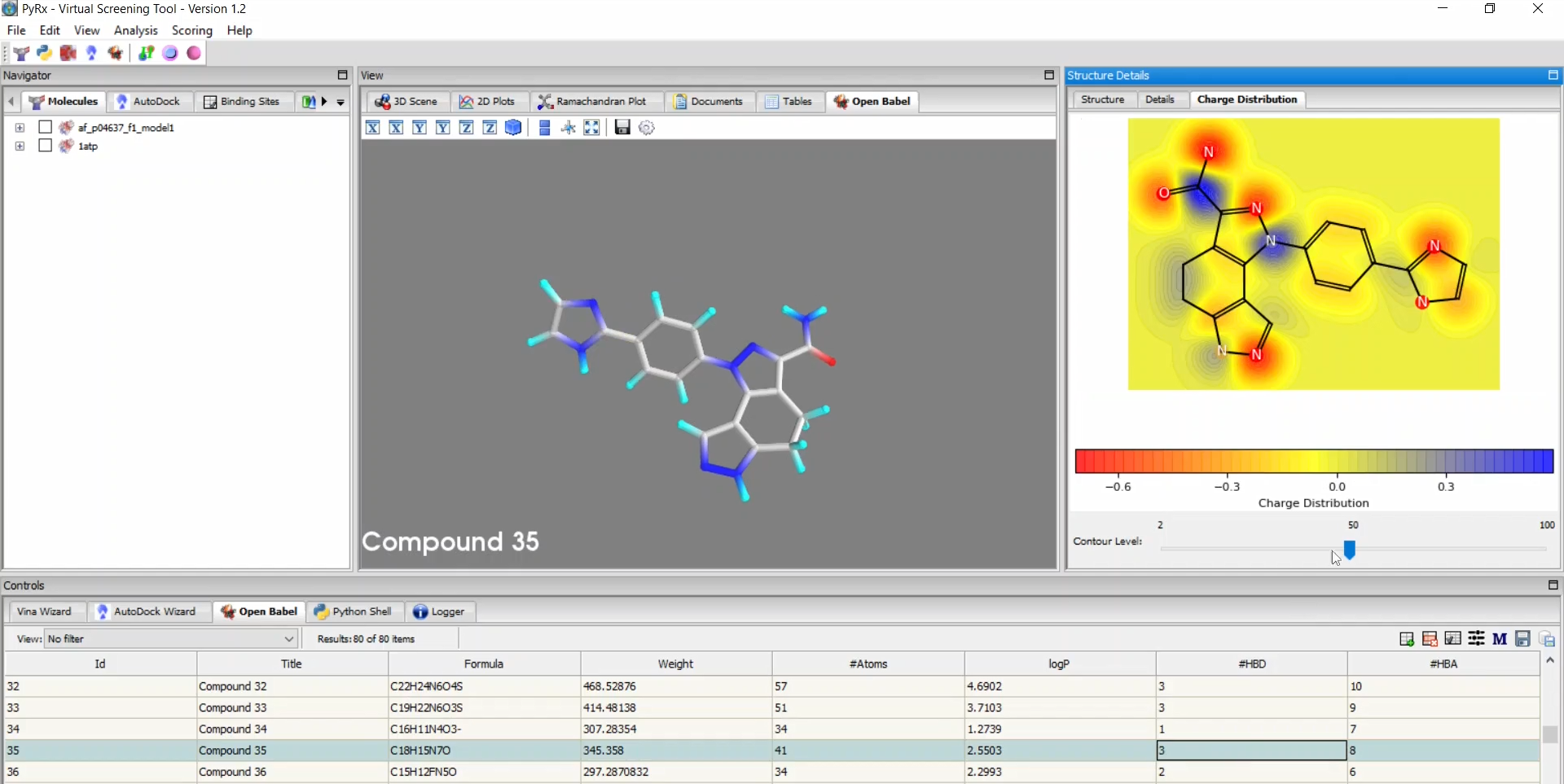
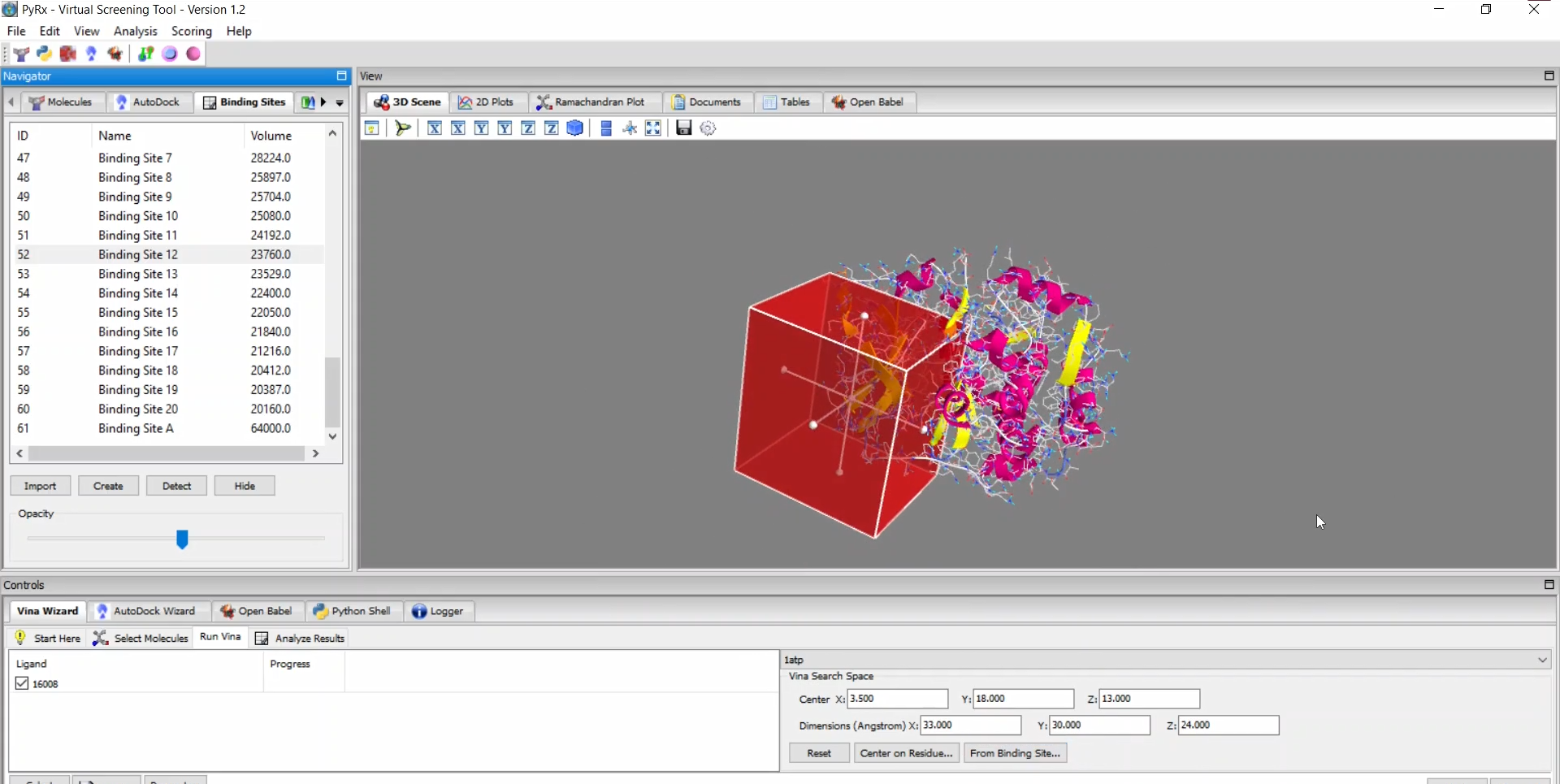
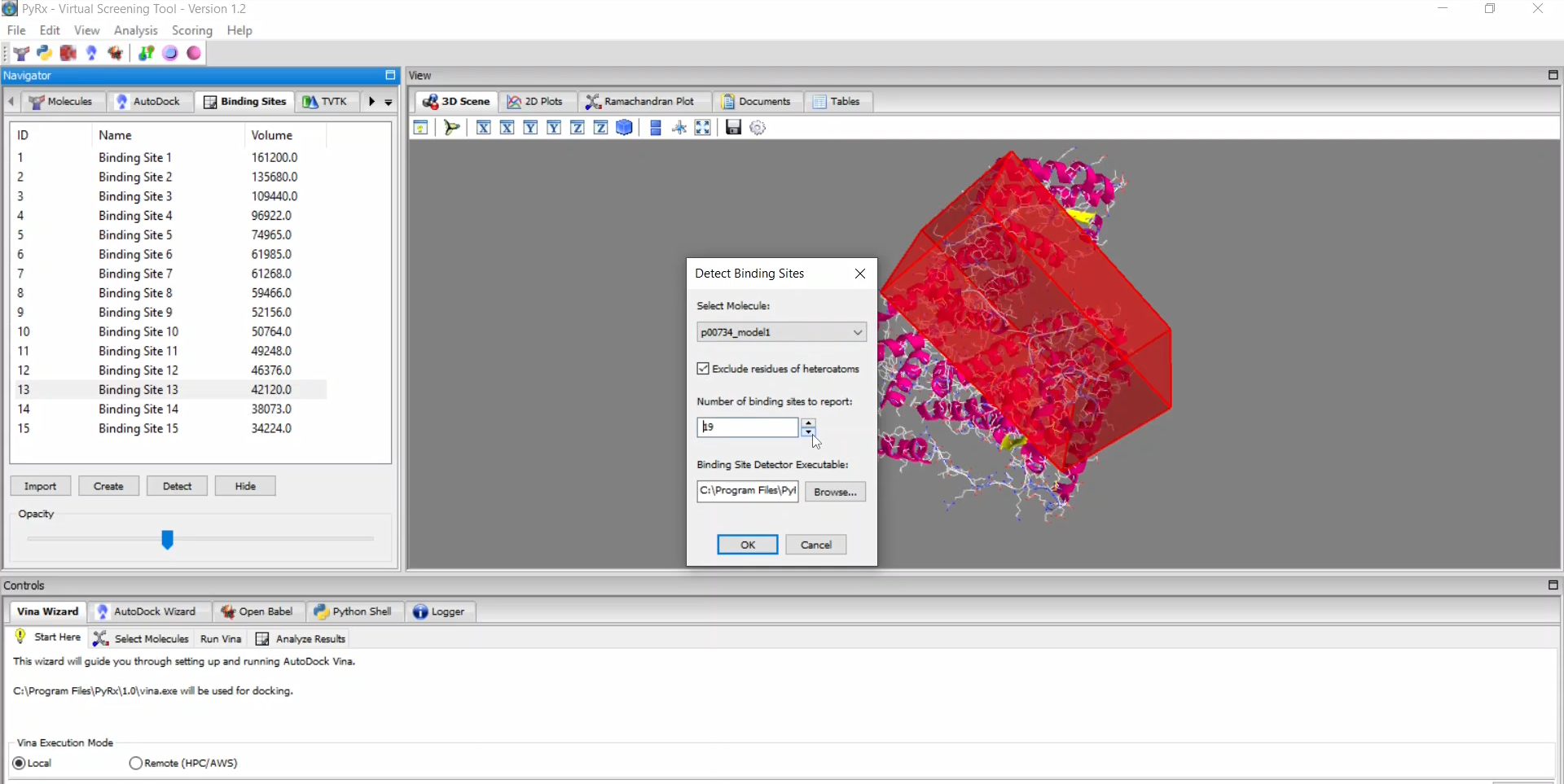
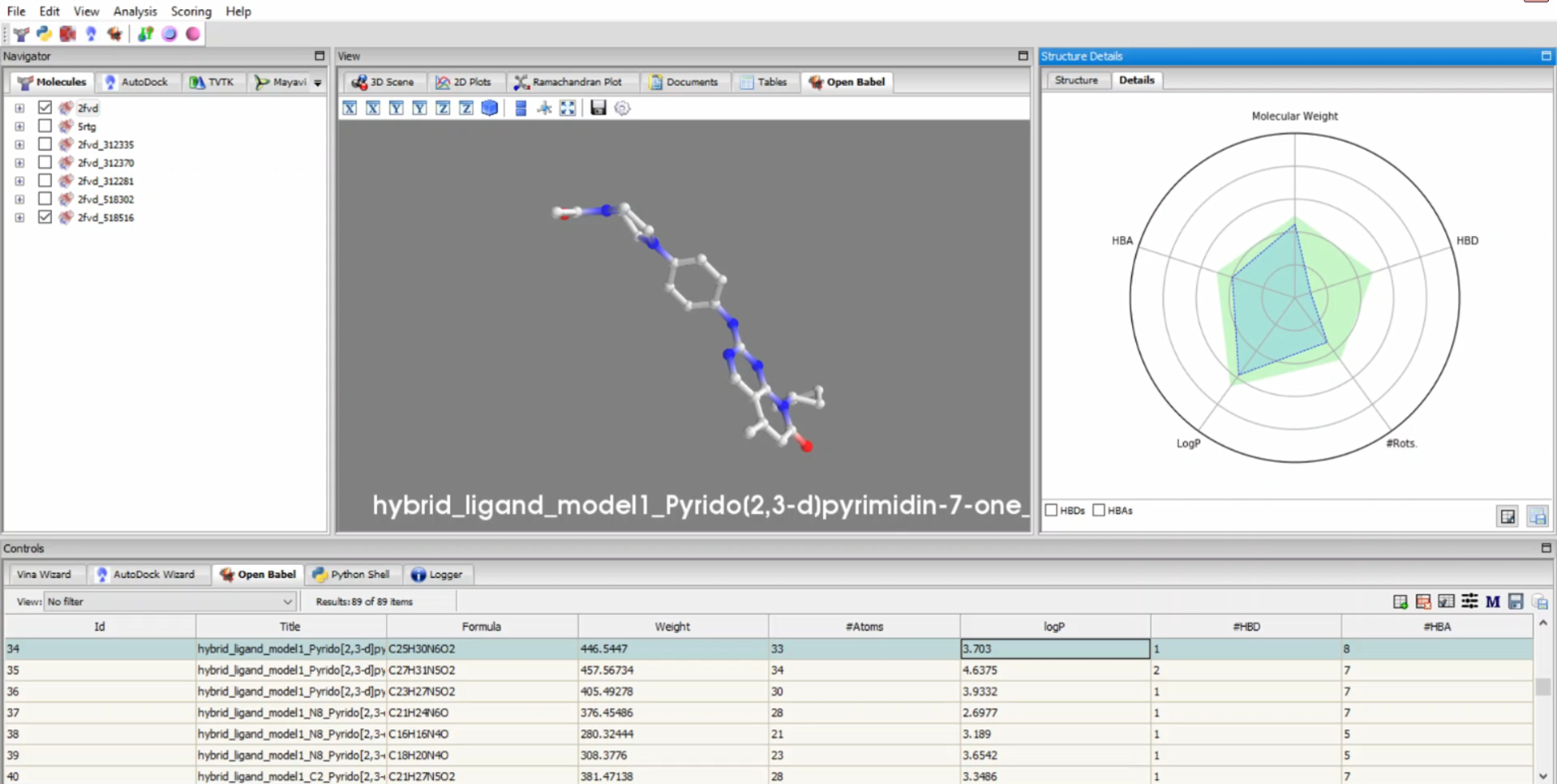
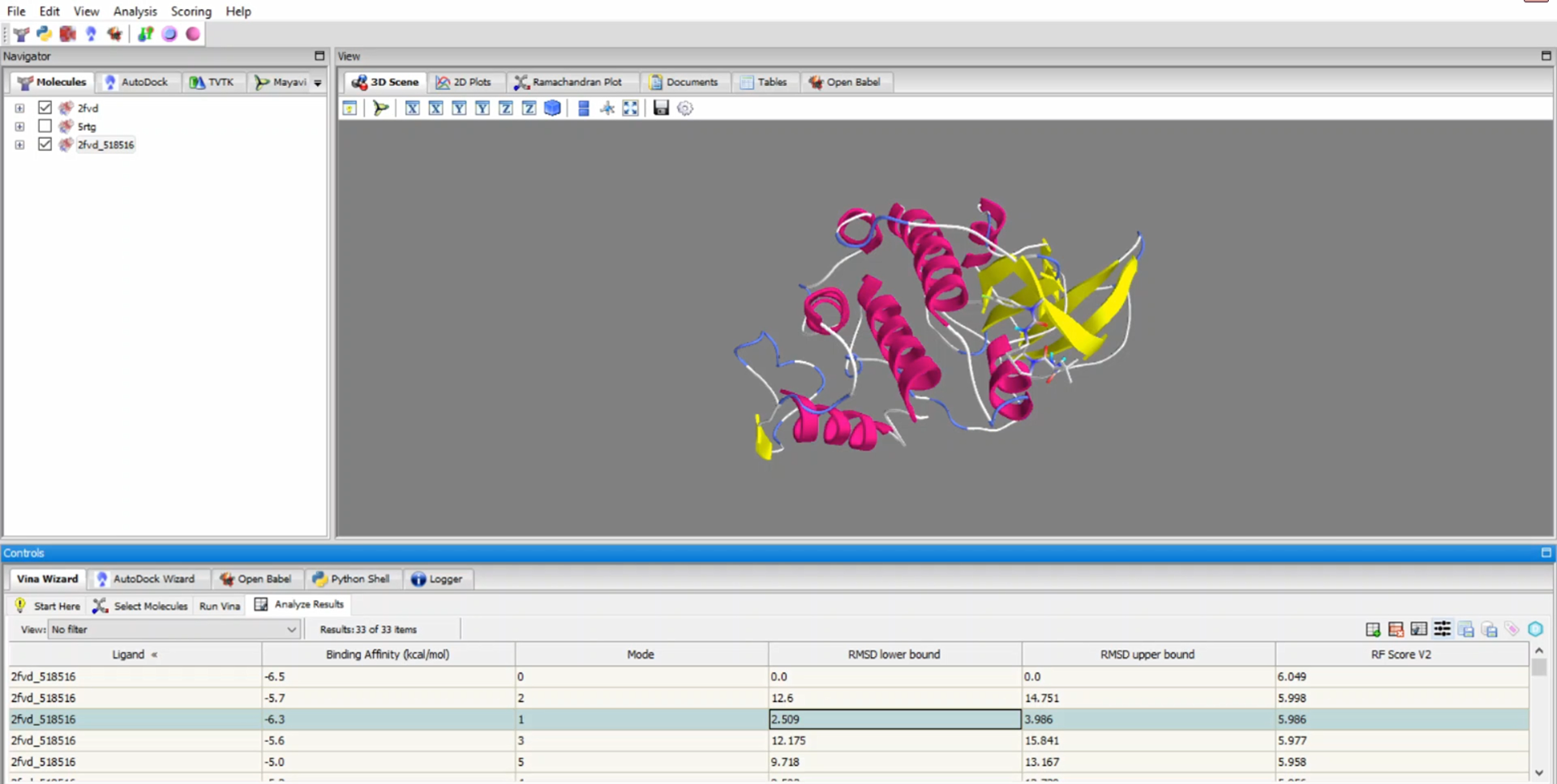
PyRx is a structure-based drug design software primarily used for virtual screening through molecular docking. As one of the most popular and highly cited tools in drug discovery and bioinformatics, PyRx enables researchers to easily screen large compound libraries against target proteins. Originally developed by Sarkis Dallakyan, PyRx has seen continued enhancements in recent years with CrescentSilico contributing to the development of new features.
Official page: https://pyrx.sourceforge.io/
A temporary bypass in audio processing refers to the act of diverting an audio signal around a particular piece of equipment or processing section. This can be useful for a variety of reasons, such as comparing the processed and unprocessed audio signals, testing the functionality of a piece of equipment, or simply to create a different sonic palette. Temporary bypasses can be implemented in various forms, including hardware patchbays, software plugins, and even simple cable rerouting.
To test for or use this bypass, a researcher would modify an outgoing POST request to include the developer's "backdoor" header: note jack temporary bypass use header xdevaccess yes best
To use this bypass, you must inject the custom header into your HTTP request using a tool like Burp Suite or a browser extension. Method 1: Using Burp Suite (Match and Replace) A temporary bypass in audio processing refers to
This guide explains how to use the specific X-Dev-Access: yes header for a temporary access bypass, typically found in Capture The Flag (CTF) challenges like . Understanding the Bypass To test for or use this bypass, a
"Best indeed," Jack whispered, crumpling the note and stepping into the chill.
During routine security assessments of entertainment portals, developers sometimes leave debug or development access methods active. One such method is the inclusion of a custom header that overrides standard authorization checks.
The keyword ends with best . Here are the rules to make this pattern safe:
A temporary bypass in audio processing refers to the act of diverting an audio signal around a particular piece of equipment or processing section. This can be useful for a variety of reasons, such as comparing the processed and unprocessed audio signals, testing the functionality of a piece of equipment, or simply to create a different sonic palette. Temporary bypasses can be implemented in various forms, including hardware patchbays, software plugins, and even simple cable rerouting.
To test for or use this bypass, a researcher would modify an outgoing POST request to include the developer's "backdoor" header:
To use this bypass, you must inject the custom header into your HTTP request using a tool like Burp Suite or a browser extension. Method 1: Using Burp Suite (Match and Replace)
This guide explains how to use the specific X-Dev-Access: yes header for a temporary access bypass, typically found in Capture The Flag (CTF) challenges like . Understanding the Bypass
"Best indeed," Jack whispered, crumpling the note and stepping into the chill.
During routine security assessments of entertainment portals, developers sometimes leave debug or development access methods active. One such method is the inclusion of a custom header that overrides standard authorization checks.
The keyword ends with best . Here are the rules to make this pattern safe: