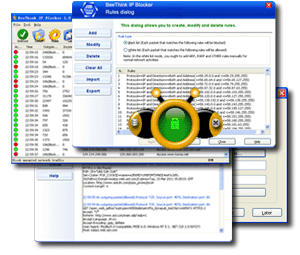
Unique DDoS attack protection mechanism

The network flow-based analysis engine placed in the TCP/IP stack detects sophisticated layer 7 (Application layer) DDoS attacks, Low and Slow attacks, Slow Loris, POST and GET floods, and more.

Monitoring & defending

Graph-based monitoring tools allow users to observe suspicious network activity in real time. Customize DDoS protection rules based on observations.

Rate limiting

Advanced rate limits include client concurrent TCP connections, TCP connection rate, UDP rate, and client bandwidth.

Top marks and highly recommended by cybersecurity experts.

Facebook Auto Liker Rpwliker Upd -

We have our own ways of defeating DDoS threats.

  • Network flow and TCP connection management.
  • Rate limiting
  • TCP half-open connection control
  • UDP flow control
  • IP pool protection
  • Real-time graph-based monitoring tools
  • Protocol-based firewall
  • Programming interface to import IP blocking list from third-party applications
  • Block unwanted country IP addresses
  • RDP brute force protection
Buy DDoS Protection Service Now!
anti ddos software awards
anti ddos software
Anti DDoS Guardian full version information
  • Current version: 6.1.0.0
  • Release date: March 12, 2023
  • OS supported: Windows
  • File size: 2 MB
  • Trial limitations: 3-day free trial
  • Price: $99.95
Download Anti DDoS Guardian for FREE

Facebook Auto Liker Rpwliker Upd -

The app allows users to set specific parameters, such as the desired number of interactions per post. How Does the "Auto Liker" Mechanism Work?
As RPWLiker's popularity began to wane, a new tool emerged: UPD (Unique Post Dispenser). UPD was a Facebook Auto Liker tool that claimed to offer more advanced features and better protection against Facebook's algorithms. facebook auto liker rpwliker upd

RPWLiker operates on a system of mutual exchange, often referred to as a "token" system. When a user logs into an auto-liker website with their Facebook credentials, they grant the service access to their account’s access token. This token allows the software to perform actions on the user’s behalf. In exchange for receiving hundreds or thousands of likes on their own posts, the user’s account is added to a pool of bots that automatically likes the content of other subscribers. This creates a facade of engagement that is entirely artificial, consisting of likes from strangers or inactive accounts rather than actual friends or followers. The app allows users to set specific parameters,