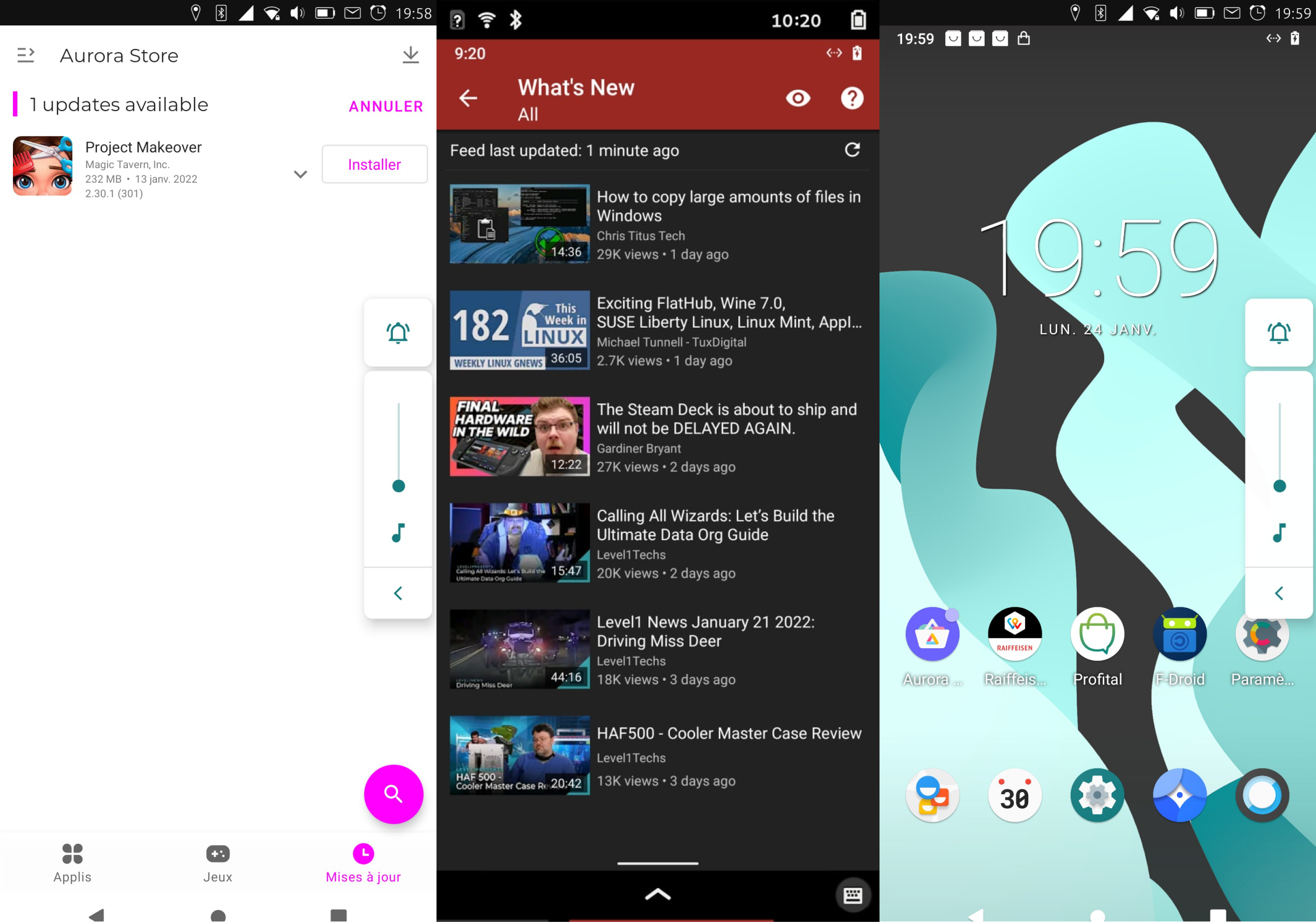
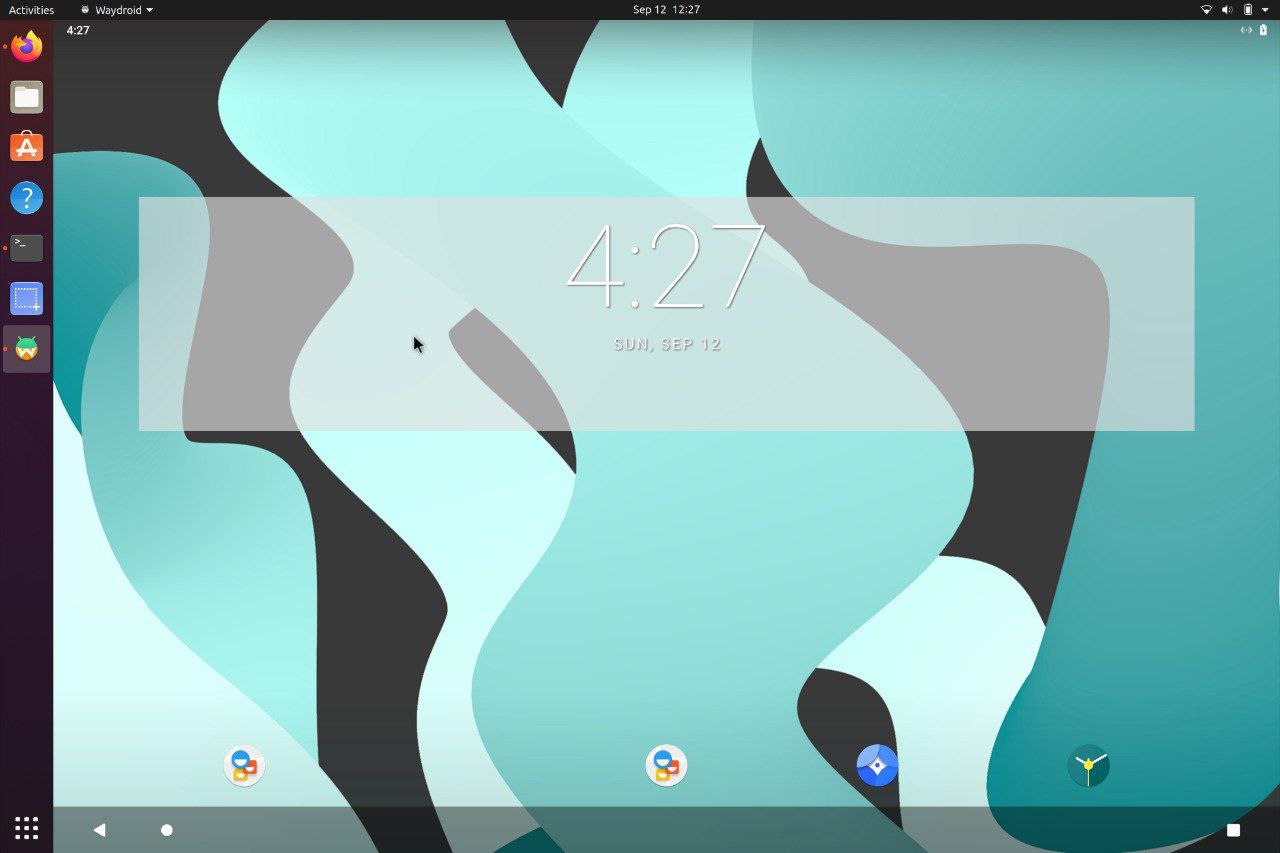
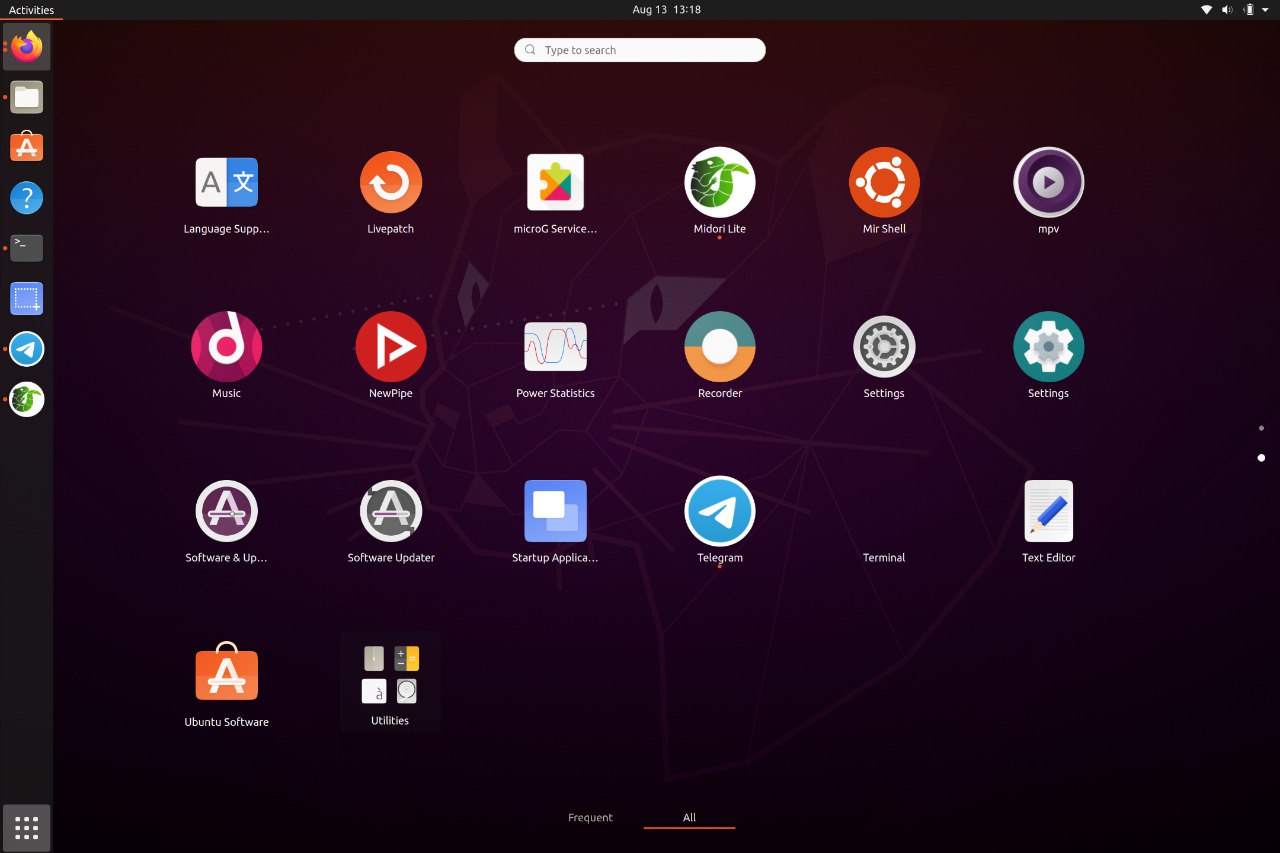
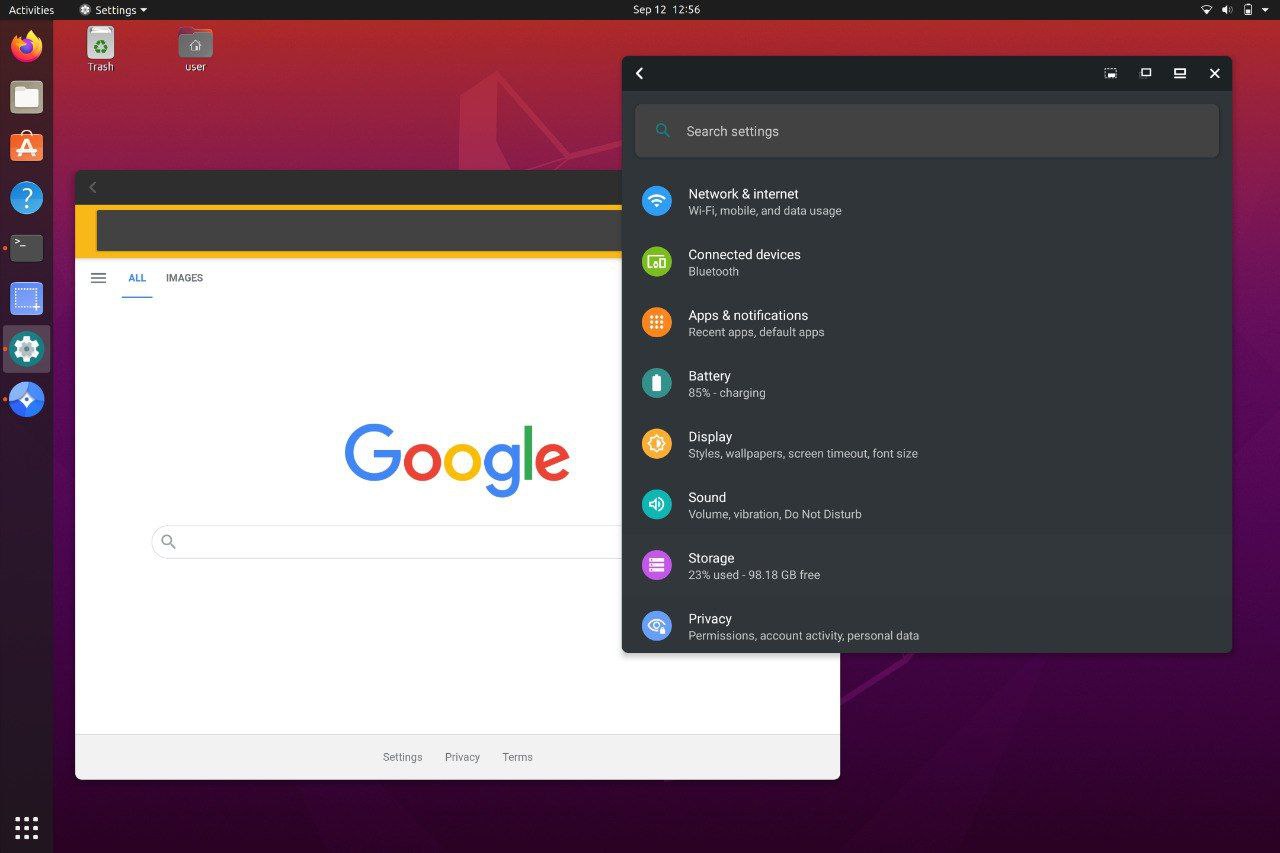
A container-based approach to boot a full Android system on regular GNU/Linux systems running Wayland based desktop environments.
On newer Exynos (S8, Note 8, S9, Note 9), download mode is locked if the bootloader fuse is blown (Knox 0x1). However, "Exynos USB Device4000 Verified" can still be achieved using a (like the MHL-to-UART converter). This sends a 0xBC command to the boot ROM, bypassing the Knox check temporarily.
Moreover, the "Verified" state now requires a SHA-512 challenge-response using a device-unique seed burned into the OTP (one-time programmable) memory. This means older tools that rely solely on driver installation may no longer achieve verification. For these new chips, you must use via Sboot protocol.
For more technical deep-dives into how these bootloaders function, resources like Reverse-engineering Samsung Exynos provide detailed write-ups on the underlying architecture. Are you seeing this while trying to unbrick a phone , or did it appear randomly when you plugged in a USB thumb drive Reverse-engineering Samsung Exynos 9820 bootloader and TZ
This verification paves the way for a wide range of applications, including:
To verify an Exynos device connection (e.g., for data recovery or debugging):
Waydroid brings all the apps you love, right to your desktop, working side by side your Linux applications.
The Android inside the container has direct access to needed hardwares.
The Android runtime environment ships with a minimal customized Android system image based on LineageOS. The used image is currently based on Android 13
Our documentation site can be found at docs.waydro.id
Bug Reports can be filed on our repo Github Repo
Our development repositories are hosted on Github
Please refer to our installation docs for complete installation guide.
You can also manually download our images from
SourceForge
For systemd distributions
Follow the install instructions for your linux distribution. You can find a list in our docs.
After installing you should start the waydroid-container service, if it was not started automatically:
sudo systemctl enable --now waydroid-container
Then launch Waydroid from the applications menu and follow the first-launch wizard.
If prompted, use the following links for System OTA and Vendor OTA:
https://ota.waydro.id/system
https://ota.waydro.id/vendor
For further instructions, please visit the docs site here
On newer Exynos (S8, Note 8, S9, Note 9), download mode is locked if the bootloader fuse is blown (Knox 0x1). However, "Exynos USB Device4000 Verified" can still be achieved using a (like the MHL-to-UART converter). This sends a 0xBC command to the boot ROM, bypassing the Knox check temporarily.
Moreover, the "Verified" state now requires a SHA-512 challenge-response using a device-unique seed burned into the OTP (one-time programmable) memory. This means older tools that rely solely on driver installation may no longer achieve verification. For these new chips, you must use via Sboot protocol.
For more technical deep-dives into how these bootloaders function, resources like Reverse-engineering Samsung Exynos provide detailed write-ups on the underlying architecture. Are you seeing this while trying to unbrick a phone , or did it appear randomly when you plugged in a USB thumb drive Reverse-engineering Samsung Exynos 9820 bootloader and TZ
This verification paves the way for a wide range of applications, including:
To verify an Exynos device connection (e.g., for data recovery or debugging):
Here are the members of our team